There is something quietly urgent happening on the outskirts of Hisar right now. Not the loud, billboard-covered urgency of a Mumbai suburb or a Gurugram sales office. Something slower, more deliberate — the kind that experienced land investors recognise before anyone else does. Plots on Hisar Bypass Road are moving. And the people buying them are not doing it on a whim.
If you have been watching Haryana's real estate market, you already know that Hisar has been on a slow boil for years. But 2026 is different. Something structural has shifted, and it starts with the road itself.
What Hisar Bypass Road Actually Is — and Why It Matters Now
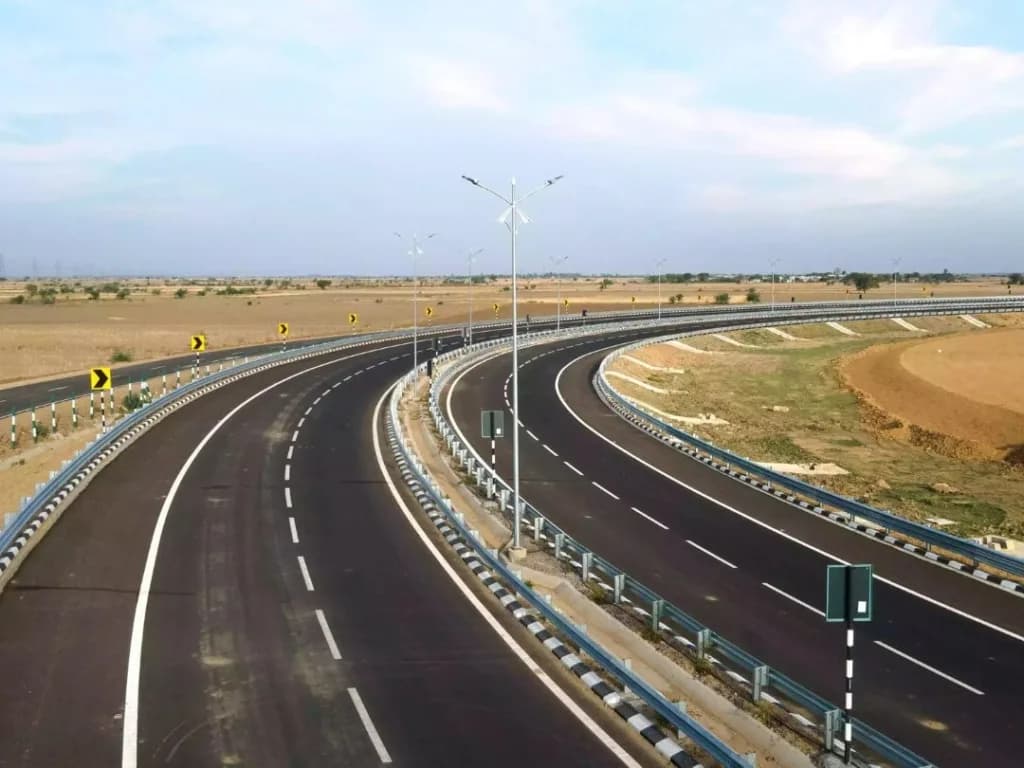
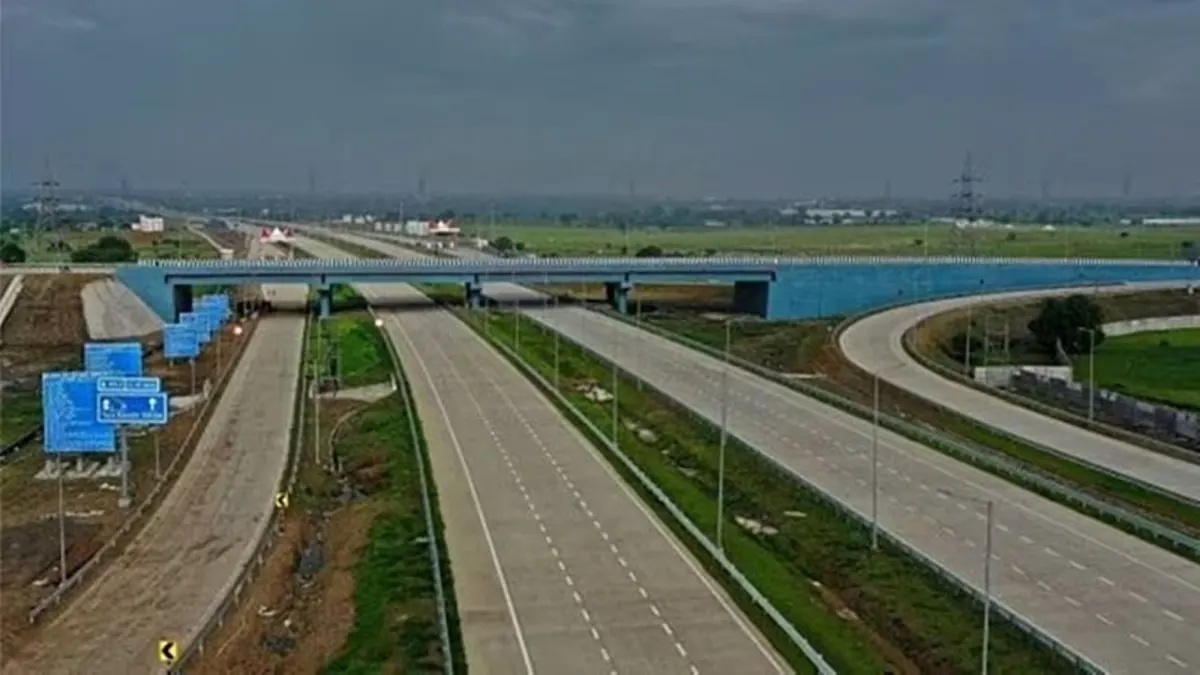
The Hisar Bypass Road is a four-lane greenfield corridor being developed by the National Highways Authority of India, connecting NH-52 near Talwandi Rana to NH-9 near Mirzapur Chowk. That might sound like a technical description, but here is what it actually means: this road links two of Haryana's most critical national highway arteries, cutting through the city's outer fringe and creating a high-speed, high-connectivity belt where previously there was mostly farmland.
The project connects the Barwala-Hisar-Rajgarh stretch on NH-52 to the Delhi-Mandi Dabwali highway on NH-9, with a major interchange being developed at Dhandhoor Junction. Think of it as the skeleton of a new city edge — and land along skeletons tends to appreciate the fastest.
Real estate agents and land brokers in Hisar have known about this for a while. What has changed is that the broader public is now catching on.
The Infrastructure Stack Driving Plot Demand in 2026
This is where things get genuinely interesting — and where most people miss the full picture.
Hisar Bypass Road plots are not attracting buyers because of the road alone. They are attracting buyers because the road is just one piece of a much larger infrastructure story converging on this city simultaneously.
The Airport. Maharaja Agrasen International Airport, located on NH-9 barely five kilometres from the city centre, is undergoing a phased expansion worth approximately Rs 5,200 crore. Regular scheduled services to Delhi, Ayodhya, Jaipur, and Chandigarh launched in 2025. Phase III construction is progressing with a target completion date in 2027. By 2030, it is designed to function as an international airport and a fully integrated Aviation Hub — complete with cargo terminals, an MRO facility, aerospace manufacturing zones, and a multi-modal logistics park.
The Industrial Cluster. Directly adjacent to the airport, an Industrial Manufacturing Cluster spanning 2,988 acres is being developed by the National Industrial Corridor Development Corporation under the Amritsar-Kolkata Industrial Corridor. This is not a minor project. The investment potential is pegged at over Rs 32,000 crore, and it is expected to generate around 1.25 lakh jobs. Clearances were granted by the Haryana Government in 2025, and construction began in August 2024 with a target completion of April 2027.
Freight Corridors. Hisar sits strategically between the Eastern and Western Dedicated Freight Corridors, with strong road, rail, and logistics connectivity via NH-52 and NH-9. For industries and warehousing, this position is invaluable. And where industries go, residential and commercial real estate follows.
All three of these forces — the bypass road, the airport expansion, and the industrial cluster — are running on roughly the same timeline. That kind of convergence does not happen often.
What the Land Market Looks Like Right Now
Here is the honest picture of residential plot investment in Hisar today.
Prices along the south bypass area are significantly lower than comparable stretches near Gurugram or Faridabad. Land along the bypass is still priced attractively, with plots in societies like Rajdarbar Spaces and other planned townships offering developed infrastructure including clubhouses, green parks, and 24-hour security at accessible price points. The south bypass area in particular, with listings starting from roughly Rs 14,000 per square yard, represents a strong entry point compared to Hisar's inner sectors where rates have already crossed Rs 50,000 per square yard in prime zones.
That gap — between the bypass periphery and the city centre — is exactly where appreciation tends to happen first.
Dozens of real estate offices have reportedly opened near Mirzapur Chowk, the interchange point between the bypass and NH-9. Farmers in adjacent villages had been reluctant to sell, sensing the value shift. That reticence itself says something.
Who Is Actually Buying Here
The buyer profile on Hisar Bypass Road plots is broad, which is actually a healthy sign for a market.
Local Hisar families who cannot afford city-centre prices are picking up plots for self-construction, drawn by the improving road access and proximity to the airport zone. Investors from Delhi NCR — particularly those priced out of Gurugram or watching Noida Expressway appreciations from the sidelines — are looking at Hisar as a genuine emerging corridor. And small businesses related to logistics, warehousing, and transportation are acquiring commercial land near the freight corridor access points.
No single buyer type is dominating. That broad demand base is a stabilising factor.
Mistakes Buyers Keep Making in This Market
The most common one: waiting for the project to be "done" before buying. By the time the airport is fully operational, the industrial cluster is receiving its first factories, and the bypass is carrying heavy daily traffic — prices will have already moved significantly. The appreciation window for pre-completion infrastructure land is typically the pre-completion period itself.
The second mistake is ignoring title and RERA compliance. Hisar's real estate sector, like many Tier-2 cities, has seen informal land transactions that later become messy. Always verify that any approved residential plot in Hisar is registered with Haryana RERA and check the developer's track record before payment.
Third: buying purely based on proximity to the bypass without checking the actual road access from the plot. Some properties are technically near the bypass but require long detours through unpaved roads. Ground-level verification matters.
Pro Tips for Buying Plots on Hisar Bypass Road
Buy near confirmed interchange points. The Dhandhoor Junction interchange is a permanent node — commercial activity will cluster there. Plots within two to three kilometres of it carry long-term mixed-use potential.
Prefer DDJAY-approved or HRERA-registered societies. Haryana's DDJAY housing scheme provides regulatory clarity and legal protections that informal agricultural land purchases do not.
Consider plot size versus entry price. Smaller plots in the 100 to 200 square yard range offer liquidity — easier to exit when you need to. Larger plots offer better long-term appreciation but take longer to sell.
Track the IMC construction timeline actively. The industrial cluster is the single biggest driver of sustained demand in this zone. When the first phase of the IMC begins operating and workers begin relocating to Hisar, residential demand near the bypass will see a step-change.
Where This Is All Heading
Nobody can promise exact numbers. Real estate never works like that, and anyone who claims otherwise is selling something harder than a plot.
What can be said, based on publicly available project data, is that Hisar is receiving the kind of infrastructural investment — an international airport, a Rs 32,000-crore industrial cluster, national highway upgrades — that Tier-2 cities rarely receive all at once. Hisar is one of the largest cities in Haryana by area, it is a Counter Magnet City on the Delhi-Mumbai Industrial Corridor map, and it is being positioned as an alternative to Delhi's IGI Airport for aviation needs.
The Hisar Bypass Road plot investment story is not about a lucky land grab. It is about a city that is, structurally and deliberately, being built upward. The plots on its outer ring are priced for what it is today. Those willing to hold for what it becomes may find that patience rewarding.
The ground is moving. The question is whether you want to be on it.
FAQs
Are plots on Hisar Bypass Road legally safe to buy?
Any plot you buy should be HRERA-registered and verified for clear title. DDJAY-approved societies and licensed developer projects carry the most legal protection. Avoid purely agricultural or unlicensed land conversions without extensive due diligence.
What is the current price range for bypass road plots in Hisar?
Prices vary significantly by exact location and society. South bypass area plots have been listed from around Rs 14,000 per square yard in peripheral zones, while premium gated township plots can go higher. Inner city Hisar sectors already command Rs 50,000 per square yard or more, making bypass-area land comparatively affordable.
How long should I hold a Hisar Bypass Road plot before expecting appreciation?
Most infrastructure-linked land investments work on a three to seven year horizon tied to project completion timelines. The IMC and airport Phase III are both targeted for 2027, making a three to five year hold period most aligned with the demand curve.
Is Hisar Bypass Road better for residential or commercial plots?
Near interchange points and logistics nodes, commercial plots have strong potential. For residential investment, gated societies with township amenities along the bypass offer better security and livability. End-users building homes should prioritise societies with RERA approval and utility infrastructure.
How does the Hisar airport development affect bypass road real estate?
The airport sits on NH-9, which the bypass connects to via Mirzapur Chowk. Proximity to an operational and expanding international airport has historically driven residential and commercial demand in surrounding corridors — similar to what happened in North Bengaluru after KIA's development. The Hisar Aviation Hub's ongoing expansion is a key demand driver for this zone.
What should I check before buying a plot near Hisar Bypass Road?
Verify HRERA registration, developer credentials, actual physical road access to the plot, distance from confirmed infrastructure nodes like the Dhandhoor interchange, and the society's internal development status including water, electricity, and boundary wall completion.